Meet the Women Starting a ‘Promise Zone’ at Booker T. Washington STEM Academy
by Emily Hays, Illinois Public Media / Feb 3, 2026
All children will get an equitable education, where schools provide the education they need to achieve their dreams as intellectual and emotional beings.
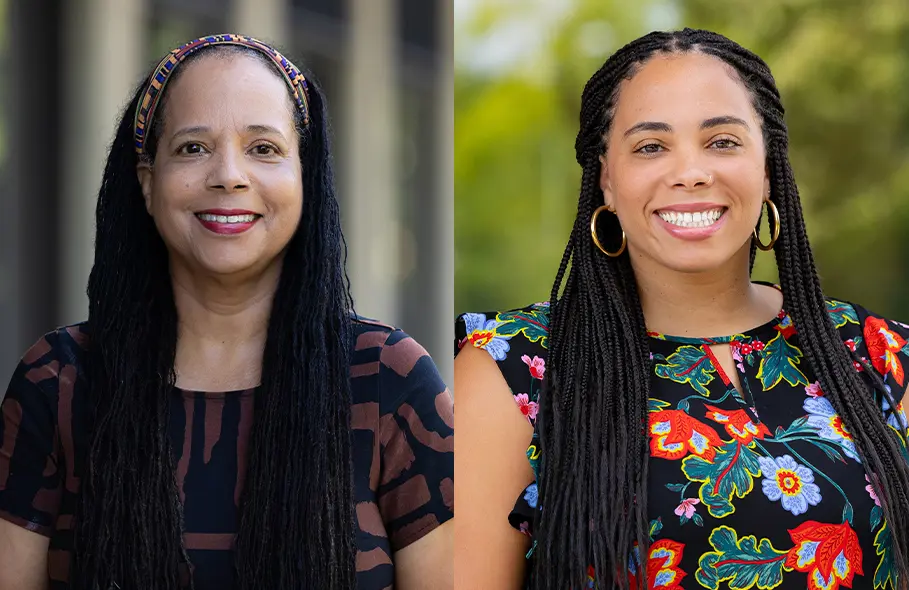
“The significant gaps in reading and math scores at the district level is concerning and sobering. These have persisted for decades,” said Educational Psychology Department Chair Helen Neville.
Neville is part of a group with a solution: create a Promise Zone focused on Black children and historically Black neighborhoods, where each child gets a plan that spells out their needs and how the schools and community will fulfill those needs.
The idea is based on the Individualized Education Programs (IEPs) that every student with disabilities receiving Special Education services must receive. Teachers must meet regularly with parents as part of the plan and are required to listen to parent input on the student’s needs.
The group would like to start with Booker T. Washington STEM Academy, an elementary school in the historically Black and now lower-income side of town. The school has a new principal, who the group says is excited to get community support.
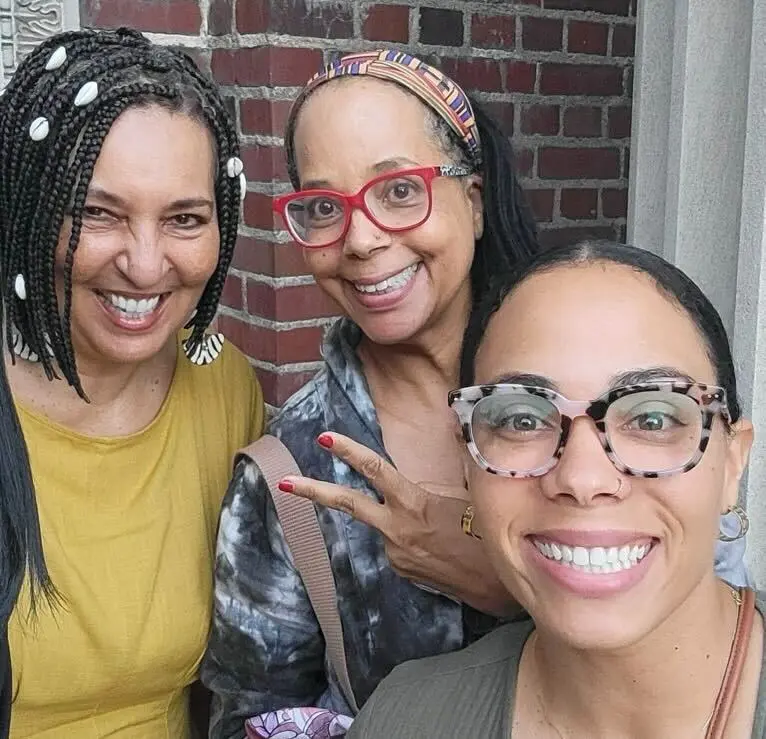
Longtime Champaign educational activist Imani Bazzell started the group and came up with the Promise Zone idea.
“What is different about these Promise Plans is that they are parent-led,” she explained. “The parent might invite their pastor, their neighbor, their aunt, or the child’s teacher. It could be any array of people who would meet on a regular basis to review the child’s progress and to adjust any goals as needed.”
Neville has worked with Bazzell on the idea before, but they have new partners, including another faculty member.
Aixa Marchand is an assistant professor in Educational Psychology. Her research focuses on how Black parents engage with their kids’ education — and that will be key to the Promise Zone idea.
“The ways in which [schools] do parent engagement often times is really traditional in the sense that like we want parents to come to the school. We want them to show up at parent-teacher conferences,” Marchand said. “That’s not the way some Black parents show that they are interested in their children’s schools.”
Read the full story published by Illinois Public Media...